



Adaptive Reuse: Assessing the Next Life of a Property
An existing building may offer the starting point for a new use, but its potential should be examined with the same care as a new development. Adaptive reuse asks whether the structure, location and economics can support a different purpose. From a real estate investment perspective, the opportunity lies in testing that fit early, before a compelling concept becomes a commitment that is difficult or expensive to revise.
Begin with demand
The first question concerns the proposed users. Why would they choose this location, and what would they need from the building? Examine relevant competing properties, access, surrounding amenities and the practical requirements of the proposed use. The existing structure can inform a concept, but it should not substitute for evidence of demand. A clear view of the intended market provides a basis for reviewing layouts, specifications, pricing assumptions and the expected route to occupation.
Assess what can remain
Retaining suitable building elements can reduce the need for new materials and the volume of material sent for disposal. The US Environmental Protection Agency includes preservation and reuse among its construction waste reduction approaches. Whether retention is appropriate depends on the particular asset. Commission the necessary structural, building services and condition assessments, and identify any hazardous materials through qualified specialists. A reuse strategy should follow that evidence, with the retained elements and required interventions clearly recorded. 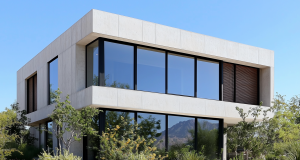
Resolve constraints before commitment
A change of use can raise questions about permissions, access, fire safety, servicing and the ability to accommodate new layouts. These matters require local professional advice and engagement with the relevant authorities. Ask the project team to distinguish confirmed requirements from unresolved assumptions. Record the studies and approvals still needed, their dependencies and their effect on the programme. This makes it easier to understand which risks can be addressed before an investment decision is taken.
Price the transition carefully
The assessment should include more than refurbishment costs. Consider surveys, enabling works, temporary arrangements, financing during delivery and the period before the property generates income under its new use. Unknown conditions deserve explicit allowances supported by the technical review. Compare the reuse option with credible alternatives using consistent assumptions. The objective is to understand the cost and timing of creating a usable asset, rather than assuming that an existing structure automatically makes a project cheaper.
Keep the future use central
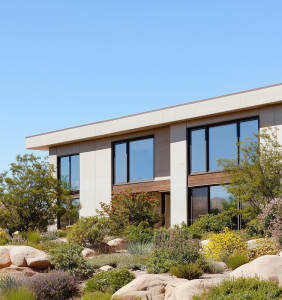
Successful execution needs a clear brief, suitable delivery partners and a plan for operation after completion. Review whether the proposed layout remains practical for occupiers and whether the operator can maintain the adapted building efficiently. Preserve character where it contributes to the intended experience, while testing each intervention against function and cost. Adaptive reuse is a selective opportunity. Its case becomes stronger when market evidence, technical feasibility and a realistic delivery plan support the same conclusion.