



Flexible Architecture for a Changing Climate
Real estate decisions extend beyond the conditions observed on the day an investment is made. A property will face changing patterns of use, maintenance needs and environmental pressures throughout its life. Flexible architecture offers one way to consider that longer horizon. The investment question is practical: which design choices can help the asset remain usable, and what evidence is needed to justify their cost and understand the limits of their contribution?
Understand the asset’s exposure
Begin with the location and the functions that must continue. Ask qualified advisers to assess relevant hazards, the condition of the site and the dependencies of the proposed use. Record the information available and the uncertainties that remain. A residential building, a workplace and a logistics property may require different responses. The assessment should connect identified exposures to specific parts of the asset, rather than treating resilience as a general label applied to the entire development.
Consider passive performance
The US Department of Energy identifies a role for energy efficiency in helping buildings maintain habitable conditions when heating or cooling systems are unavailable. This does not mean an efficient building is safe under every disruption. Ask the technical team to assess the particular design, climate and duration being considered. Insulation, shading and other envelope decisions should be evaluated as part of that defined scenario, alongside the building’s systems and its arrangements for occupant safety. 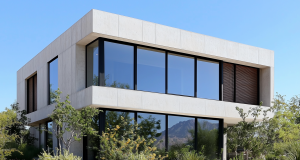
Preserve useful adaptability
Flexibility also concerns changes that may be needed during the property’s operating life. Review access to building services, the scope for replacing equipment and the implications of altering internal layouts. The appropriate allowance depends on the intended use and the cost of providing it. Avoid paying for undefined future possibilities. Instead, identify plausible changes, ask how the design would accommodate them and compare that preparation with the difficulty of making the change after occupation.
Plan for operational continuity
Design measures need an operating plan. Clarify critical activities, maintenance priorities, escalation routes and the responsibilities of the owner and operator during disruption. Any proposed backup arrangement should have a defined scope and a credible testing and maintenance programme. Review these arrangements with the people who will use them. This helps expose gaps between a system’s stated capability and what is required to keep the property functioning under the conditions for which it was designed.
Keep assumptions under review
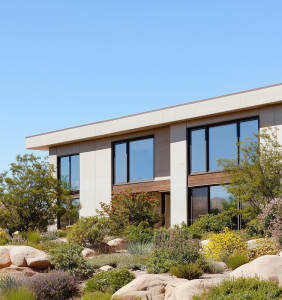
A resilience assessment is most useful when it can be revisited as information, asset condition and operating needs change. Retain the original assumptions, record material decisions and identify when another review is appropriate. Evaluate proposed measures through their cost, practical contribution and remaining limitations. No single feature removes every risk. A considered approach combines suitable design with clear responsibilities and ongoing observation, giving the owner a more informed basis for managing the asset through change.