



High-Performance Facades: Looking Beyond Appearance
A building’s facade establishes its outward identity, but it also forms part of the system that separates occupied space from the external environment. For real estate investors, facade decisions therefore deserve attention beyond the architectural image. The relevant discussion brings together comfort, climate, maintenance and cost. It asks how the proposed specification will perform in the actual building and how that performance will be supported through construction, handover and operation.
Respond to the location
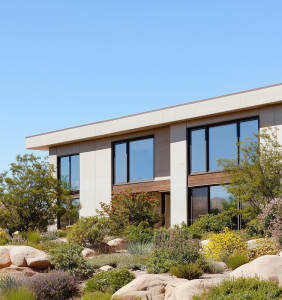
Glazing choices should reflect orientation, climate and the design of the building, as guidance from the US Department of Energy explains. Different exposures may call for different solutions. Ask the design team to explain how window area, shading, glass and frames work together in the proposed scheme. The assessment should consider the intended use of the rooms behind the facade, rather than selecting a specification from an isolated product rating or a visual reference.
Ask for building-level evidence
A product specification does not, by itself, establish the energy consumption of a completed property. Ask for an assessment that reflects the whole design and clearly states its assumptions about occupancy, equipment, weather and operating hours. Compare alternatives on the same basis. Any projected saving should remain a projection until supported by appropriate operating evidence. This distinction helps keep design decisions grounded and avoids presenting an expected technical benefit as an established financial result. 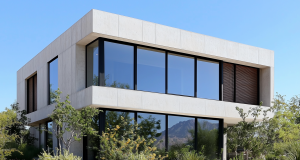
Review installation and testing
The investment review should consider how the specified facade will be delivered, not only which materials are selected. Clarify the responsibilities of designers, suppliers, installers and inspectors, including the tests required before acceptance. Ask how interfaces, seals and replacement access will be addressed in the detailed design. Documented quality checks and a clear process for resolving defects provide a stronger handover basis than relying on the appearance of the finished elevation alone.
Include maintenance in the comparison
Cleaning methods, safe access, spare parts and replacement lead times belong in the specification review. Consider how maintenance activity could affect occupied areas and whether the future operator has the required skills or supplier support. Compare these obligations alongside initial cost and the expected life of major components. Where alternatives carry different maintenance requirements, make that difference explicit. A facade that is practical to care for deserves consideration within the broader assessment of asset quality.
Connect specification to stewardship
Handover should leave the owner with a usable record of the installed system, its care requirements and the evidence supporting acceptance. During operation, review occupant feedback, maintenance history and relevant performance data together. They may reveal where adjustments or further investigation are needed. The purpose of a high-performance facade is best expressed through specific requirements and demonstrated results. For a long-term real estate perspective, that connection between design intent and ongoing care is central to the decision.