



Nature in Urban Spaces: A Real Estate Perspective
A shaded arrival, a planted courtyard or an outlook onto greenery can shape how people experience a property. For real estate investors, the useful question is how those features serve the building, its users and its operating model over time. Nature within urban development deserves the same disciplined assessment as any other design choice: a clear purpose, a suitable location and a credible plan for care.
Start with the setting
The relationship between planting and buildings begins with climate, orientation and the surrounding streets. Trees can provide shade and help manage rainfall, as research from the US Environmental Protection Agency explains. Applying that principle requires local assessment. Where is shade most useful? Which species suit the available space and water? How will roots, access routes and utilities coexist? Early answers help turn an attractive landscape concept into a workable part of the development.
Design for everyday use
A green space should have a role in the daily life of the property. Consider the route from parking to reception, places to pause, visibility from occupied rooms and access for people with different mobility needs. A landscaped area that is difficult to reach or uncomfortable to use may contribute less than its drawings suggest. Reviewing the experience at different times of day makes the design brief more specific and the eventual handover easier to assess. 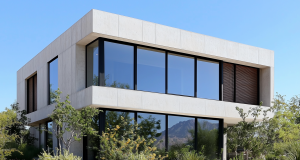
Make maintenance part of design
The planting schedule is only one part of the commitment. Irrigation, pruning, replacement, cleaning and specialist access need defined responsibilities and realistic budgets. Developers and operators should agree these requirements before final specifications are selected. The investment review can then compare alternative designs over the intended ownership period, including establishment costs and ongoing care. A simpler landscape with a dependable maintenance plan may be more appropriate than a complex installation with uncertain operating support.
Test the commercial assumptions
Visual quality alone does not establish a rental premium, faster sales or stronger investment performance. Any such assumption should be tested against relevant local evidence and the preferences of the intended users. Separate the cost of the landscape from benefits that can be observed and from benefits that remain uncertain. This keeps the investment case understandable and gives the project team a practical basis for deciding which elements are essential and which are optional.
Review after occupation
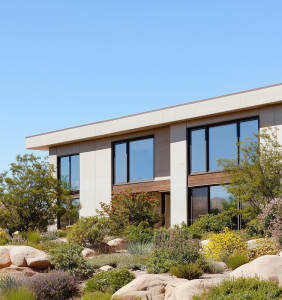
The most useful assessment continues once people move in. Are shaded routes being used? Are plants thriving within the planned resources? Are maintenance needs consistent with the original budget? Feedback from occupiers and operators can inform adjustments and future specifications. Viewed this way, nature becomes a considered component of asset stewardship. Its contribution is judged through use, condition and operating evidence, with expectations proportionate to the site and the quality of execution.